Vol. I · Issue 01Est. 2026
The Opening · A complete encyclopedia

LEARNBEYONDwicket.

22
Yards
11
Players
10
Ways out

A complete encyclopedia of cricket — laws, formats, the fielding map, shots, deliveries, umpire signals and a searchable glossary. Hand-written, beautifully presented.

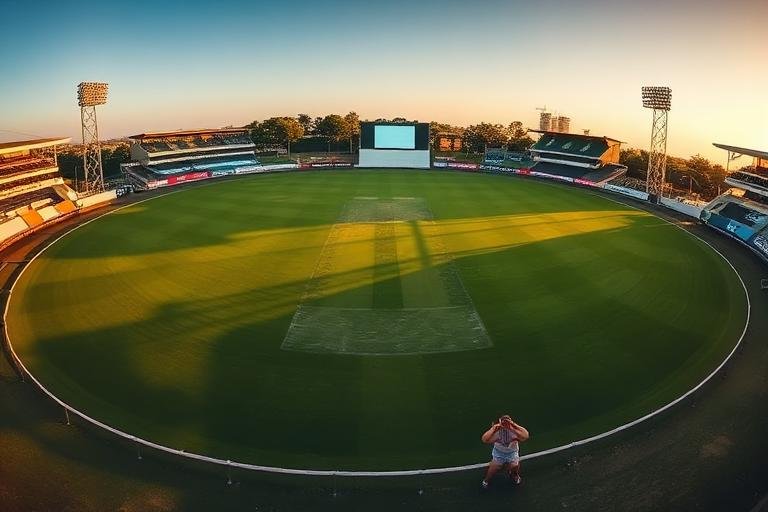
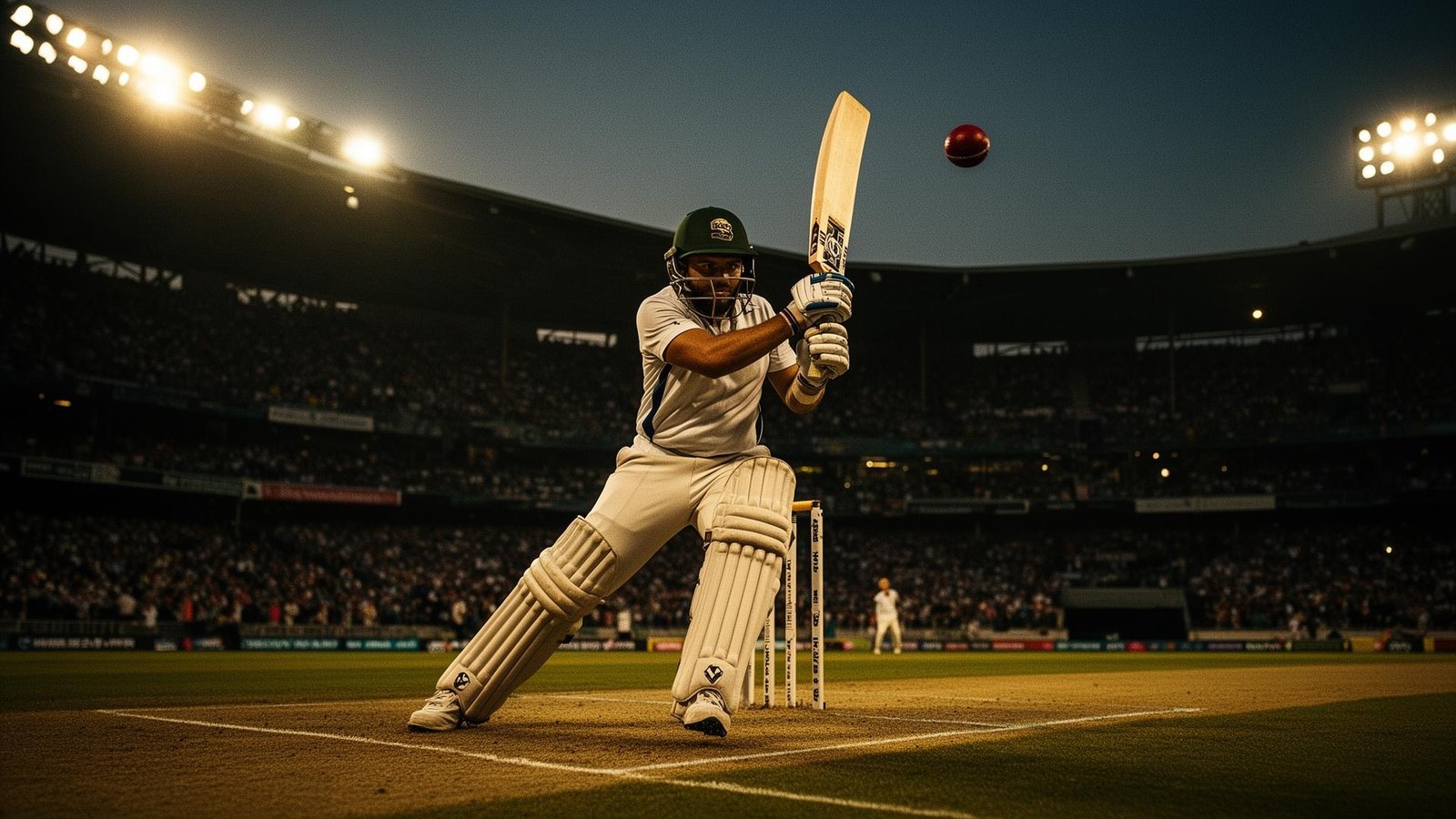
Cricket batter playing a front-foot drive under stadium floodlights
● Live · The Cover StoryF/1.4 · 85mm
The Cover
Floodlights, leather, willow.
The game at its most cinematic.
EST. 2026VOL. ITHE CRICKET ALMANACLAWS · FORMATS · FIELD · SHOTS · BOWLING · SIGNALS · GLOSSARY22 YARDS · 11 PLAYERS · 6 STUMPS · 1 GAMEPLAYED IN OVER 100 COUNTRIESEST. 2026VOL. ITHE CRICKET ALMANACLAWS · FORMATS · FIELD · SHOTS · BOWLING · SIGNALS · GLOSSARY22 YARDS · 11 PLAYERS · 6 STUMPS · 1 GAMEPLAYED IN OVER 100 COUNTRIES
Table of Contents

In This Issue

Eight chapters. One game. Browse by interest, or read cover to cover.
01
Chapter One · Laws of the Game

Rules & Regulations

From dismissals to the DLS method — the framework that governs every match played under ICC laws.

Feature · The Ten Ways Out

How a batter falls

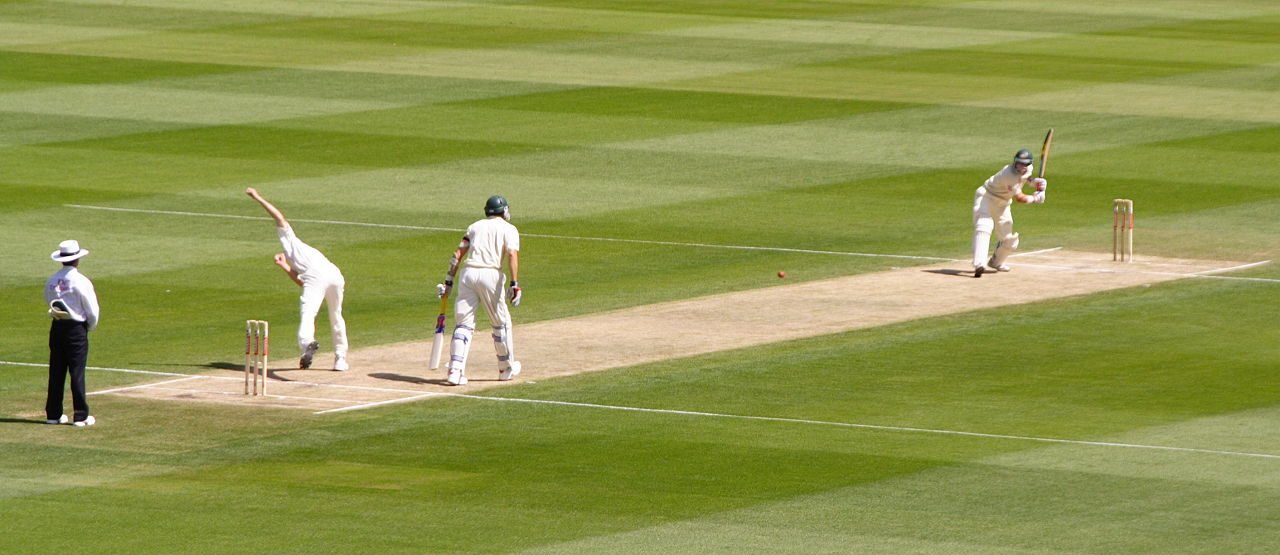
Cricket has ten methods of dismissal — eight common, two practically extinct. Master these and you have read the spine of the laws.

01

Bowled

The bowler delivers a ball that hits the stumps and dislodges the bails.

02

Caught

A fielder catches the ball on the full after it touches the bat or glove.

03

LBW (Leg Before Wicket)

Ball would have hit the stumps but was intercepted by the batter's pad — pitching, impact and wicket-line all factor in.

04

Run Out

Stumps broken with the ball while the batter is out of their ground attempting a run.

05

Stumped

Wicket-keeper breaks the stumps when the batter is out of the crease and not attempting a run.

06

Hit Wicket

Batter dislodges their own bails with bat, body or equipment while playing a shot.

07

Obstructing the Field

Batter willfully obstructs or distracts the fielding side.

08

Handled the Ball

Now merged into Obstructing the Field — touching the ball with a hand not on the bat without consent.

09

Timed Out

Incoming batter fails to be ready to face the next ball within the allotted time (3 minutes in Tests, 2 in ODIs).

10

Hit the Ball Twice

Batter strikes the ball a second time other than to guard the wicket.
02
Chapter Two · Five Forms

Formats of Cricket

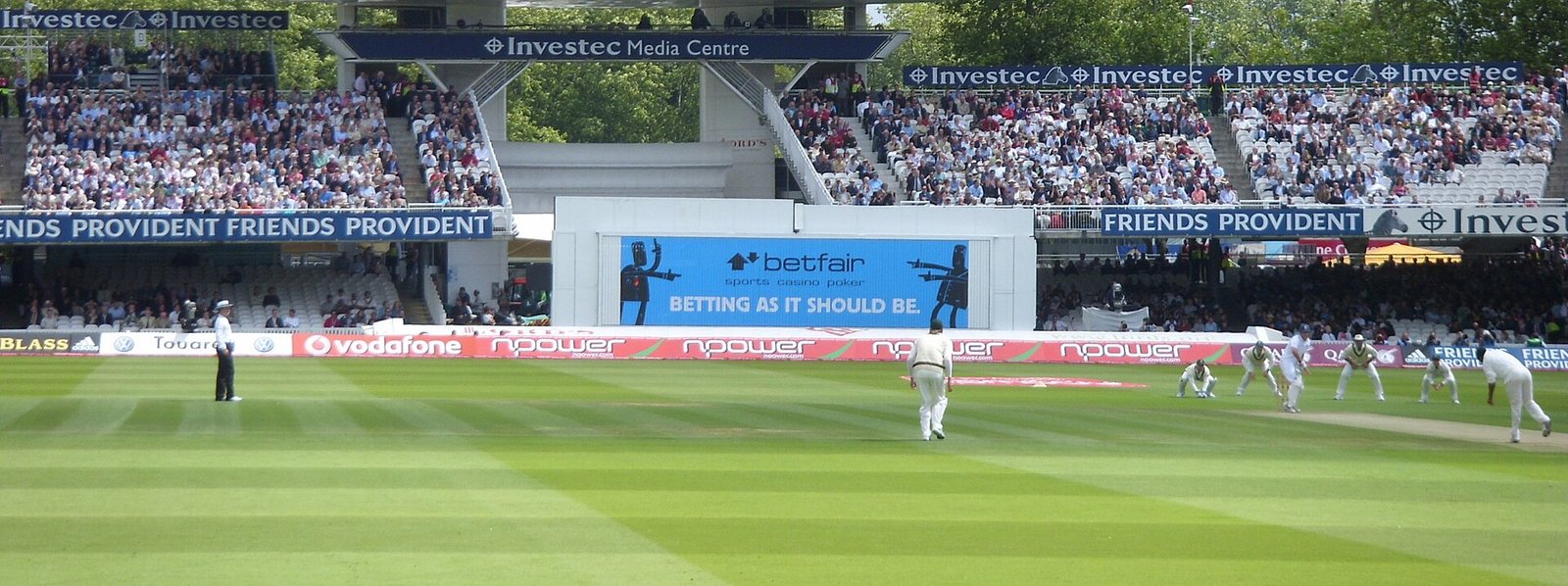
From the unhurried theatre of a five-day Test to the 100-ball sprint — every recognised format on one page.

FormatOversInningsDurationBallKey Rules
Test
Unlimited2 per sideUp to 5 daysRed / Pink (D/N)Pinnacle of the sport. No over limit, draws possible. Pink ball for day-night Tests.
ODI
50 per side1 per side~8 hoursWhite (2 balls)Powerplays: 1–10 (2 fielders out), 11–40 (4), 41–50 (5). Two new balls from each end.
T20I
20 per side1 per side~3 hoursWhitePowerplay overs 1–6 (2 outside circle). Max 4 overs per bowler.
T10
10 per side1 per side~90 minutesWhitePowerplay overs 1–3. Max 2 overs per bowler. Used in Abu Dhabi T10 League.
The Hundred
100 balls per side1 per side~2.5 hoursWhiteBowlers deliver 5 or 10 consecutive balls. 25-ball powerplay. ECB competition.
03
Chapter Three · The 360° Map

Fielding Positions

An interactive ground viewed from above. Hover any fielder to read their role and area of responsibility.

The Ground

360° Field · right-hand batter

OFF SIDELEG SIDE30-YARD CIRCLE1234567891011121314151617

Hover a number on the field, or pick a position from the roster →

Reading the map

Every fielder, one job

A captain can place nine outfielders anywhere on the ground. The names below are the traditional positions — the geometry every commentator, coach and captain shares. Colours match the field zone.

Close catchers
Off-side ring
Leg-side ring
Deep / Boundary
Inner Ring

30-yard Circle

Powerplay rules count fielders inside versus outside this oval. In a T20I, only two fielders are allowed outside it in the first six overs.

Leg Side Limit

Max 5 on the leg

No more than five fielders may be positioned on the leg side at the instant of delivery — a no ball if breached.

Boundary Catches

First touch inside

A fielder's first point of contact with the ball must be inside the boundary. Airborne fielders must land back inside the rope.

04
Chapter Four · The Batter's Arsenal

Batting Shots

Thirteen shots that cover every angle of the wagon wheel — from the textbook cover drive to the modern ramp.

01Front foot

Cover Drive

Front-foot drive through the cover region. Played to a full ball outside off; head over the ball, full follow-through.

02Front foot

Straight Drive

The classical signature shot — bat swings straight down the ground past the bowler.

03Back foot

Pull Shot

Short ball pulled across the body to the leg side, played horizontally on the back foot.

04Back foot

Hook Shot

Like the pull but to a head-high bouncer, often in the air over square leg.

05Front foot

Sweep

Front knee down, bat swings horizontally to a spinner pitched on a length.

06Front foot

Reverse Sweep

Sweep played with hands reversed, sending the ball behind point.

07Either

Scoop / Ramp

Bat angled upward to deflect a full or short ball over the keeper.

08Back foot

Cut Shot

Short and wide outside off, cut square or late with horizontal bat.

09Front or back

Flick

Wristy on-side shot to a ball on the pads, sent to mid-wicket or square leg.

10Front foot

Leg Glance

Subtle deflection off the pads down to fine leg.

11Front foot

Lofted Drive

Drive elevated over the infield — straight, over cover or mid-wicket.

12Either

Switch Hit

Batter swaps stance mid-delivery and plays as the opposite-handed batter.

13Front foot

Paddle Sweep

Soft-hands deflection of a spinner behind square on the leg side.

05
Chapter Five · The Bowler's Craft

Types of Bowling

Pace, swing, seam, spin, mystery — the deliveries that turn matches.

International fast bowler in delivery stride
● Live action · Test cricket
The Delivery

Eighteen ways to beat the bat.

160
km/h top pace
8
Pace variations
8
Spin variations
22yd
To deliver it

Fast Bowling

Pace · Swing · Seam
130–160 km/h
Typical range
  1. 01

    Outswinger

    Pitches and moves away from the right-hander. Seam angled toward slips, shiny side inside.

  2. 02

    Inswinger

    Tails into the right-hander. Seam angled to fine leg, shiny side outside.

  3. 03

    Reverse Swing

    Old-ball phenomenon where the ball swings opposite to the seam direction — devastating at pace.

  4. 04

    Yorker

    Full delivery aimed at the base of the stumps or toes — a death-over weapon.

  5. 05

    Bouncer

    Short ball rising at chest/head height — used to intimidate or set up the front-foot shot.

  6. 06

    Slower Ball

    Disguised change of pace using grip variations to deceive timing.

  7. 07

    Off-Cutter

    Fingers rolled down off-side of the ball to cut it back into the right-hander.

  8. 08

    Leg-Cutter

    Fingers rolled across to move the ball away from the right-hander off the pitch.

Spin Bowling

Finger · Wrist · Mystery
70–95 km/h
Typical range
  1. 01

    Off-spin

    Right-arm finger spin turning into the right-hander. Index/middle finger grip.

  2. 02

    Leg-spin

    Right-arm wrist spin turning away from the right-hander. Hardest art in the game.

  3. 03

    Googly

    Leg-spinner's wrong'un — spins the other way (into the RH batter).

  4. 04

    Flipper

    Back-spinning leg-spin variation that skids on low and quick.

  5. 05

    Top-Spin

    Over-spinner that dips sharply and bounces higher than expected.

  6. 06

    Doosra

    Off-spinner's wrong'un — turns the opposite way (away from RH batter).

  7. 07

    Carrom Ball

    Flicked between thumb and middle finger; can spin either way with the same action.

  8. 08

    Chinaman

    Left-arm wrist spin — natural ball turns into the right-hander.

06
Chapter Six · The 22 Yards

Pitch Anatomy & Lengths

An interactive perspective view of the strip. Hover any coloured band to read what the bowler is trying to do and how the batter is expected to respond.

0yd6yd11yd17yd22ydYorkerFullGood LengthBack of LengthShort / Bouncer
● Side-on · 22 yd
Good Length · 4–6 yd
Pitch distance
5.5 yd
from batter's stumps
Bounce height
83 cm
approx. at batter
Reaction time
0.41 s
@ 140 km/h
Selected length

Good Length

4 – 6 yards from the bat

The corridor. The batter cannot commit to front or back foot — the hardest length to score from.

Most likely outcome
Defended · Edge
The 22-yard strip
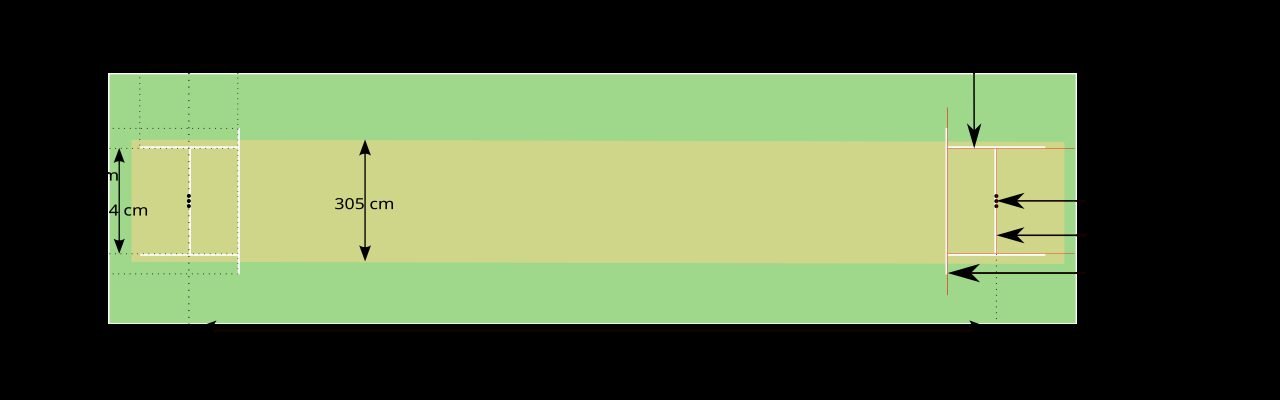
  • 22 yd · stump-to-stump (20.12 m).
  • 10 ft · width of the pitch.
  • 4 ft · popping crease in front of the stumps.
  • 28 in · stump height.
Click a zone on the pitch — or a chip below it — to watch that delivery.
07
Chapter Seven · The Furniture

Equipment & Ground

The pitch is 22 yards, the bat is wooden, the ball is hand-stitched — the spec sheet behind every match.

Pitch Dimensions01

Pitch Dimensions

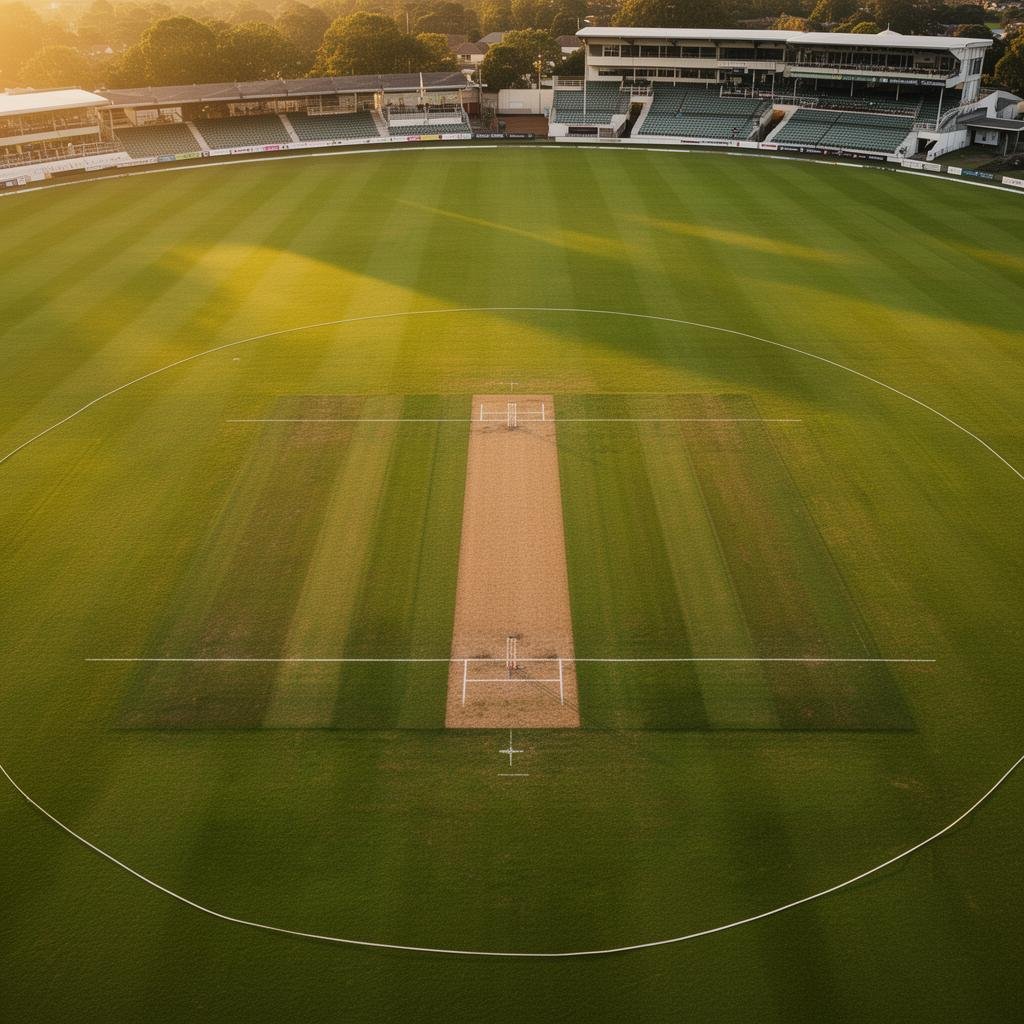
22 yards (20.12 m) stump-to-stump. Width 10 ft. Stumps 28 in tall, three per end, bails on top.

Popping Crease02

Popping Crease

4 ft in front of the stumps. Batter must have bat or foot grounded behind it; bowler's front foot must land behind it (or it's a no ball).

Bowling Crease03

Bowling Crease

The line in line with the stumps, 8 ft 8 in wide. Defines the back edge of the bowler's landing area.

Return Crease04

Return Crease

The two short lines perpendicular to the popping crease, 4 ft 4 in either side of the middle stump.

Boundary05

Boundary

Minimum 65 yards / maximum 90 yards from the centre. A rope marks the line; a four if it touches, a six if it clears on the full.

Bat06

Bat

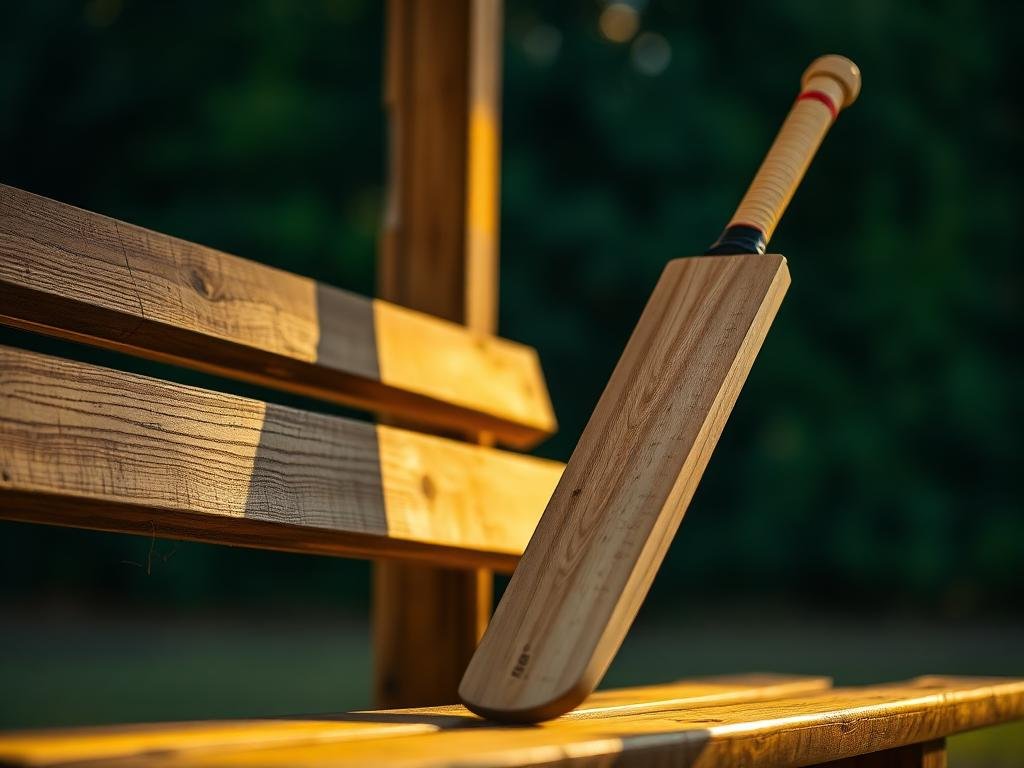
Max 38 in long, 4.25 in wide, 2.64 in deep, edges 1.56 in — all enforced via a bat gauge by the umpires.

Red Ball07

Red Ball

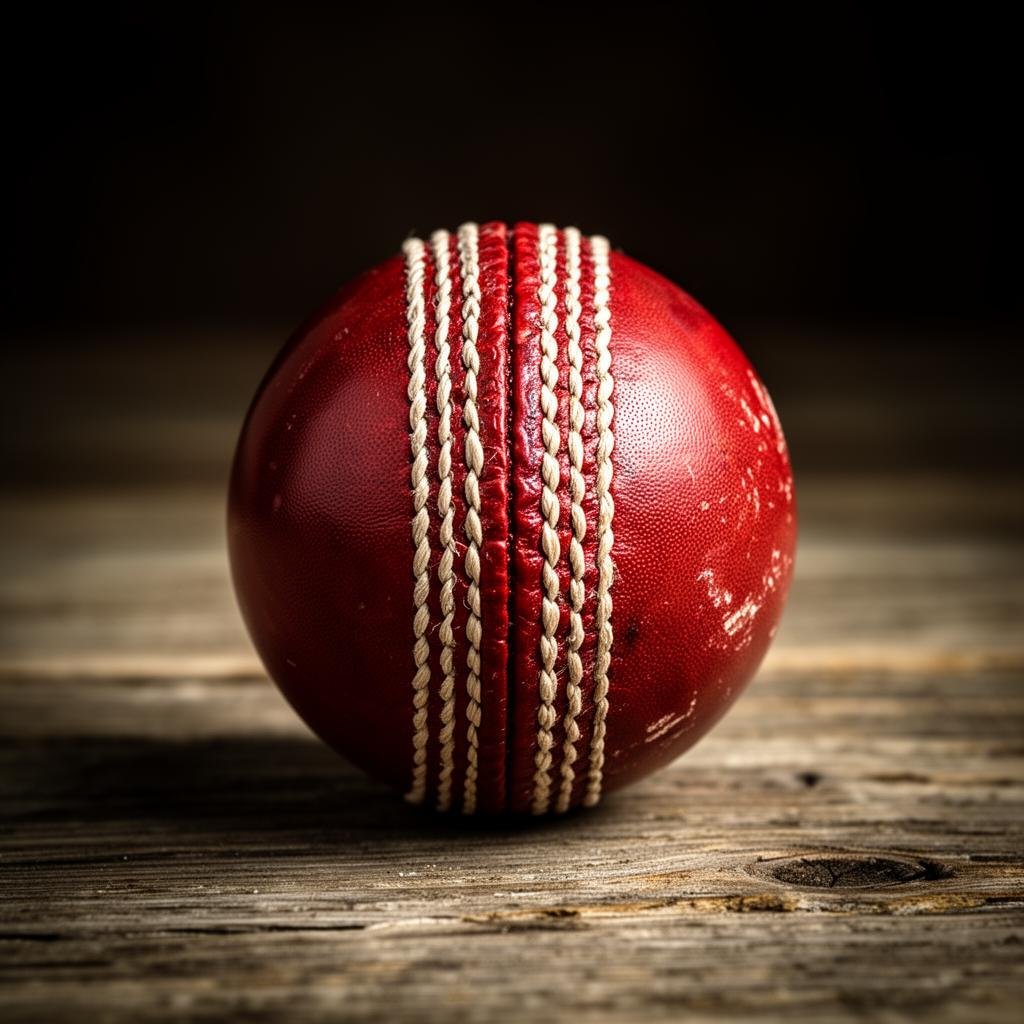
Used in Tests and first-class. 156 g, hand-stitched, swings and seams longer. Replaced every 80 overs.

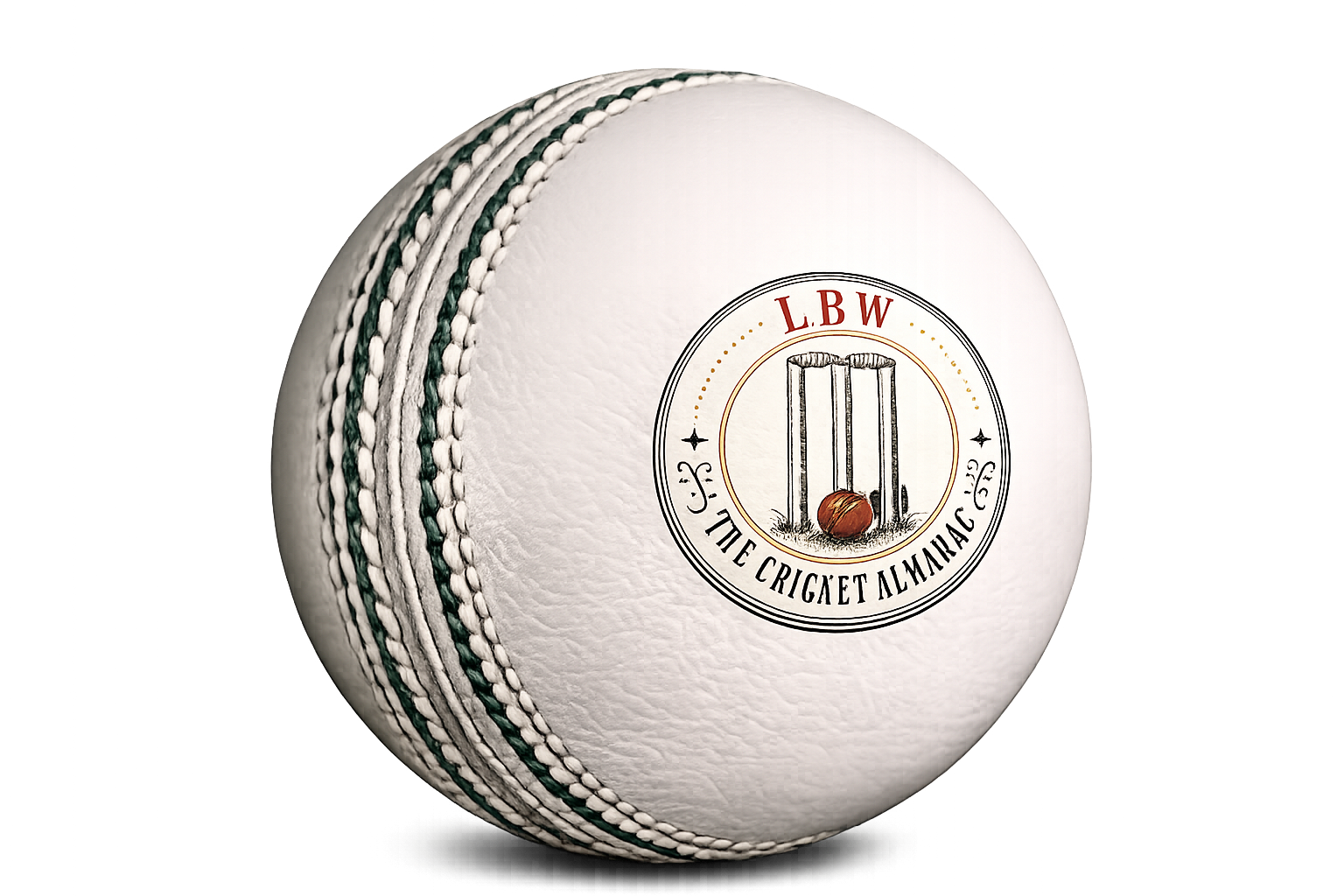
White Ball08

White Ball

Used in limited-overs. Same weight; loses colour faster. ODIs use two new balls (one from each end).

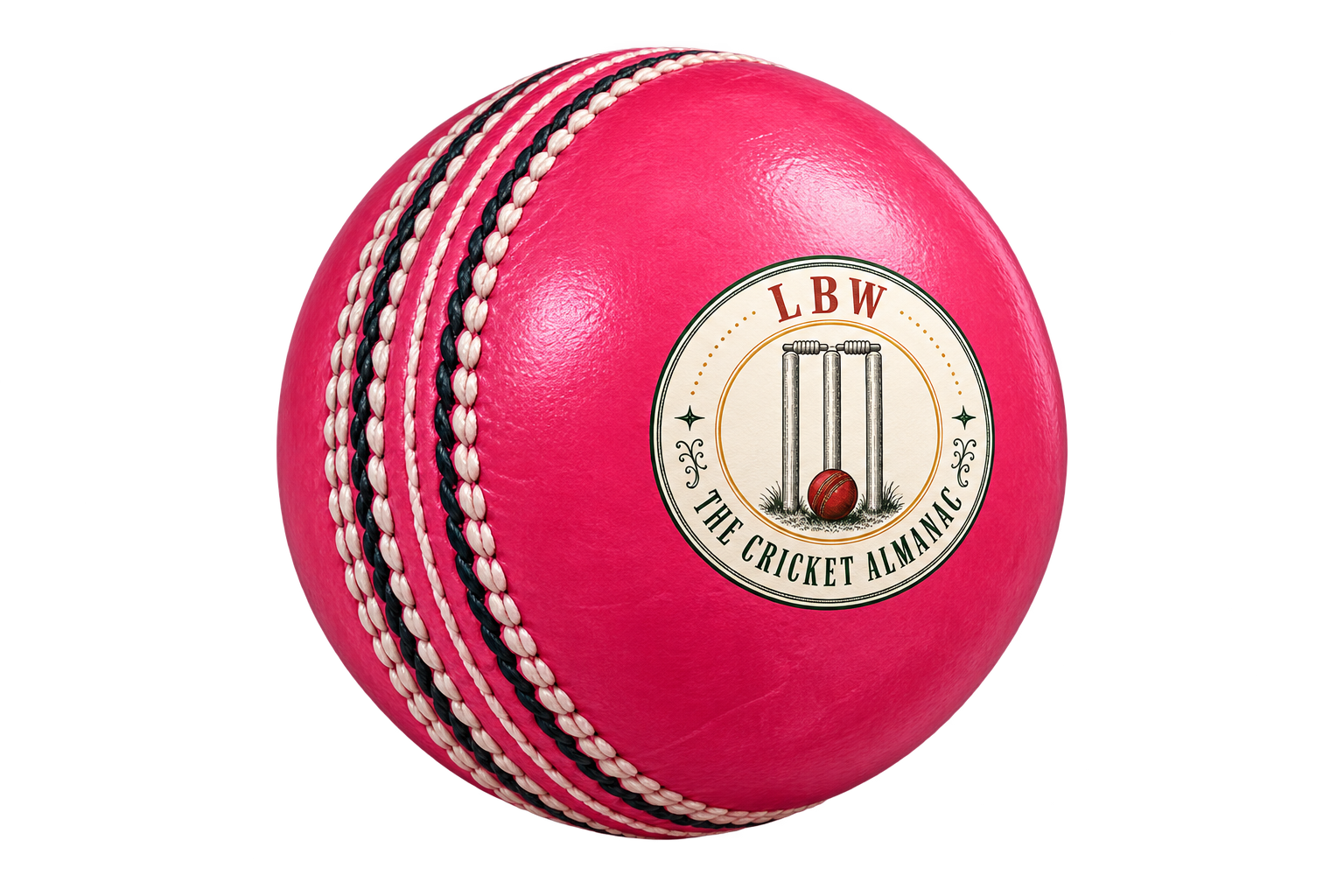
Pink Ball09

Pink Ball

Used in day-night Tests. Synthetic outer coating for visibility under lights; behaves between red and white.

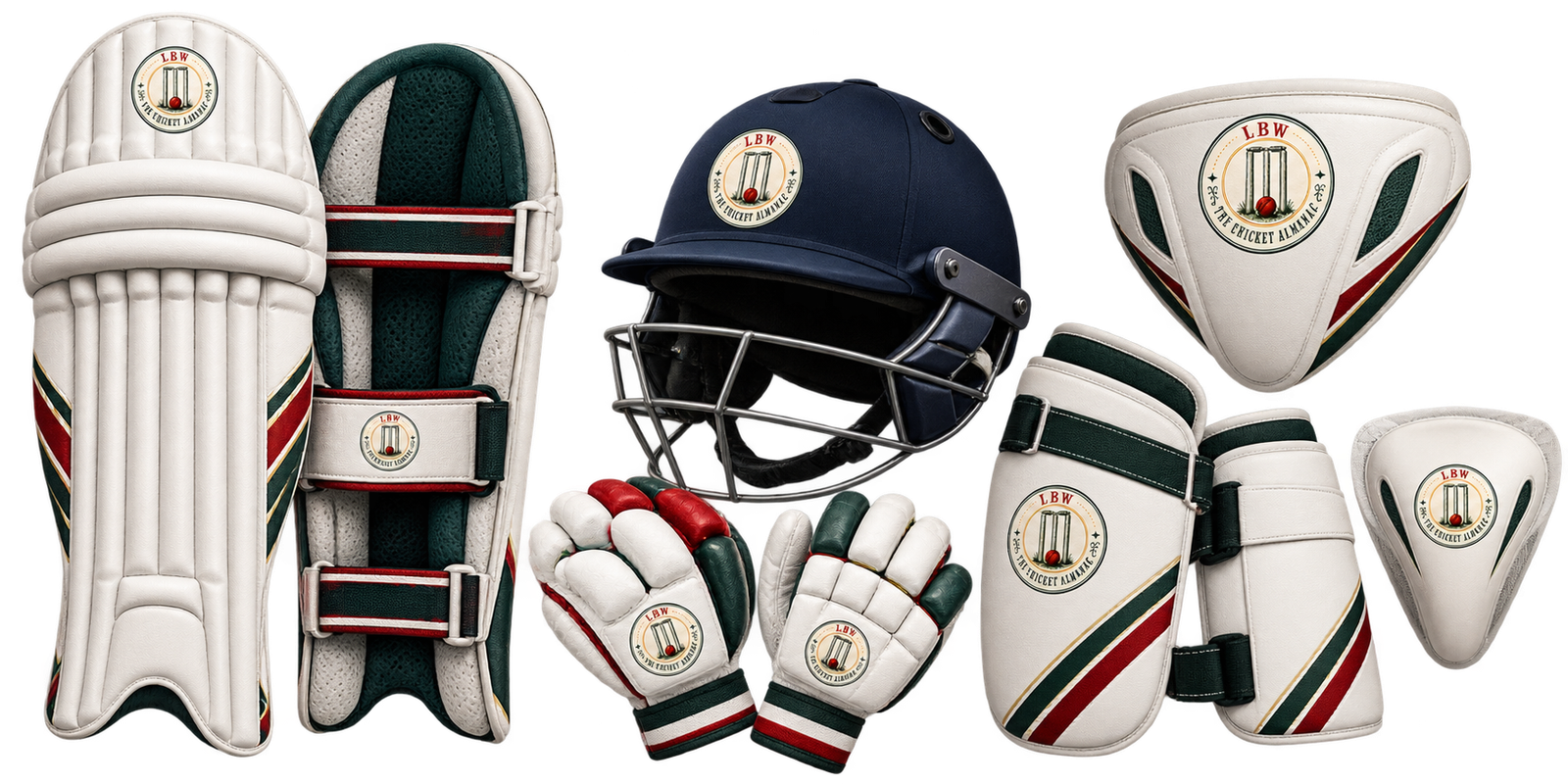
Protective Gear10

Protective Gear

Helmet with grille (mandatory at top level), thigh pad, inner thigh, abdominal guard, chest pad, arm guard, gloves and pads.

08
Chapter Eight · Hand of the Umpire

Umpire Signals

A silent vocabulary that runs the game. Memorise these gestures and you can follow any match without commentary.

The Adjudicator

Twelve gestures.
One vocabulary.

Two on-field umpires, one third umpire on the TV, and a vocabulary of hand signs that needs no translation. From the raised finger of an OUT to the rectangle drawn for a review — the umpire speaks without saying a word.

12
Signals
2
Umpires
1
TV ref
Source · ICC Laws of Cricket
Umpire signal: OutOUT

Out

Index finger raised straight above the head.

Umpire signal: FourFOUR

Four

Arm waved horizontally back and forth across the chest.

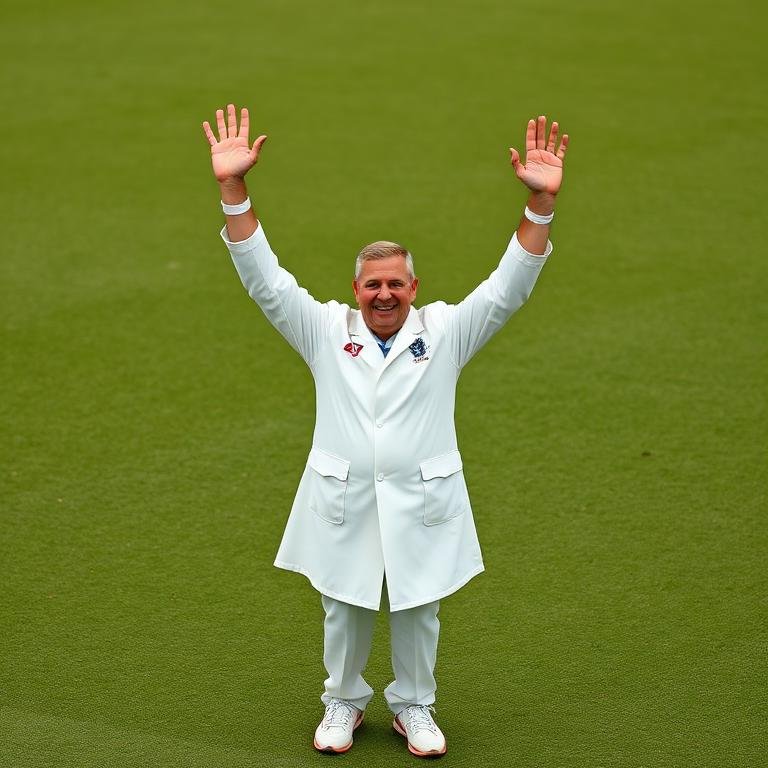
Umpire signal: SixSIX

Six

Both arms raised straight above the head.

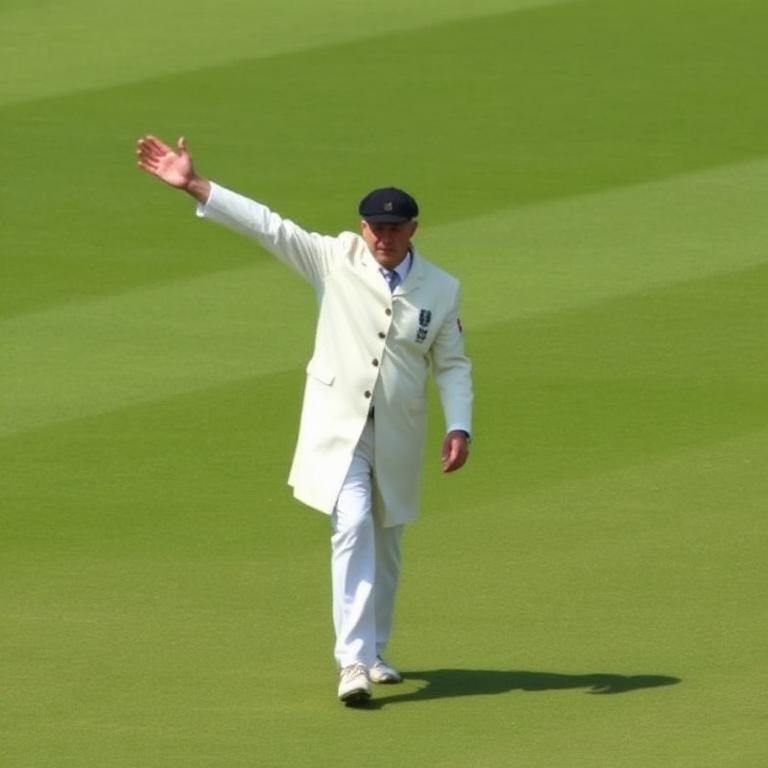
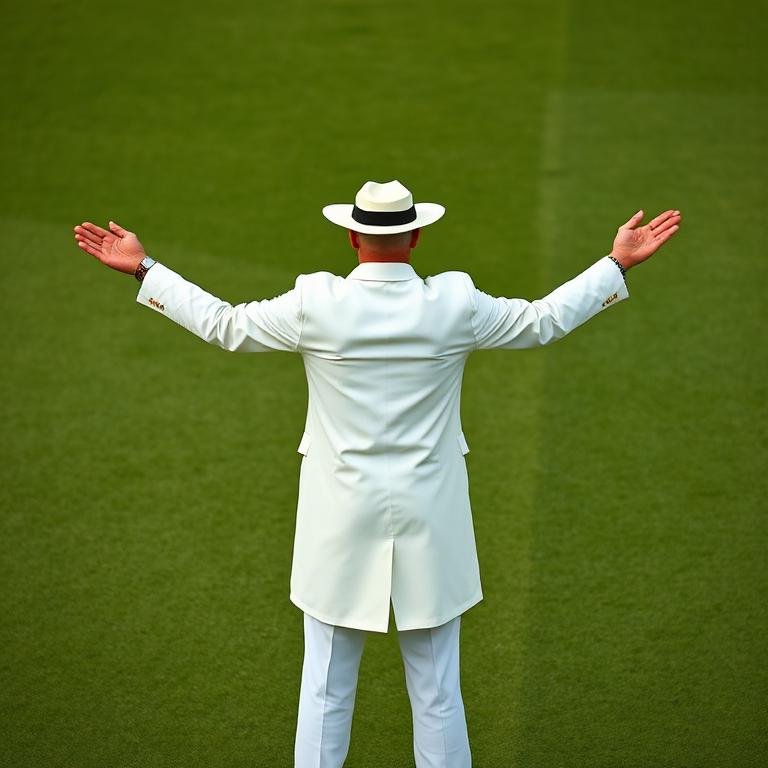
Umpire signal: WideWIDE

Wide

Both arms stretched out horizontally to the sides.

Umpire signal: No BallNO BALL

No Ball

One arm extended straight out to the side.

Umpire signal: ByeBYE

Bye

Open palm raised above the head.

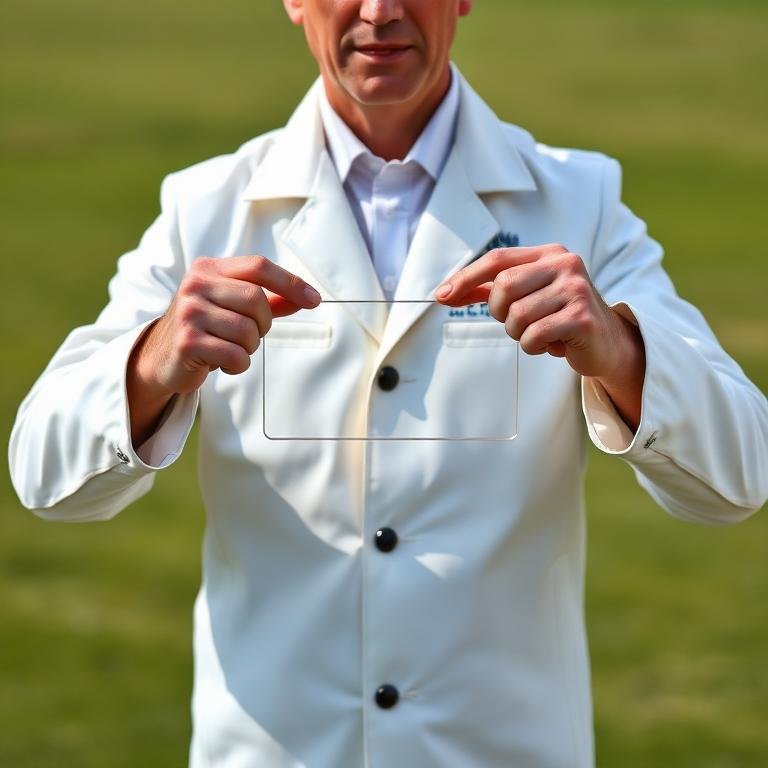
Umpire signal: TV ReferralTV REFERRAL

TV Referral

Both arms drawn into a rectangle (TV screen).

Umpire signal: Short RunSHORT RUN

Short Run

Fingertips touch the same-side shoulder.

The Full Lexicon

Every signal the umpire makes

01

Out

Index finger raised straight above the head.

02

Four

Arm waved horizontally back and forth across the chest.

03

Six

Both arms raised straight above the head.

04

Wide

Both arms stretched out horizontally to the sides.

05

No Ball

One arm extended straight out to the side.

06

Dead Ball

Wrists crossed and uncrossed below the waist.

07

Bye

Open palm raised above the head.

08

Leg Bye

Hand touches a raised knee.

09

Short Run

Fingertips touch the same-side shoulder.

10

TV Referral

Both arms drawn into a rectangle (TV screen).

11

Penalty Runs

Tap shoulder with opposite hand (5-run penalty).

12

Soft Signal

Discreet on-field decision to the TV umpire before review.

09
Chapter Nine · A to Z

Cricket Glossary

Every commentator's favourite phrase, defined. Search by word or browse alphabetically.

25 terms

Beamer

Full-toss above waist height — illegal and warned by the umpire.

Carrom Ball

Finger-flicked spin delivery popularised by Ajantha Mendis.

Chinese Cut

An inside edge that narrowly misses the leg stump — also called a French cut.

Corridor of Uncertainty

Channel just outside off-stump where the batter is unsure whether to play or leave.

Diamond Duck

Dismissed for 0 without facing a ball (usually run out at the non-striker's end).

Doosra

Off-spinner's delivery that turns the opposite way.

DRS

Decision Review System — player-initiated review using ball-tracking, UltraEdge and replays.

Duckworth-Lewis-Stern

Mathematical method to reset targets in rain-affected limited-overs matches.

Free Hit

Next delivery after a front-foot no-ball — batter cannot be out except run out.

Golden Duck

Dismissed for 0 on the first ball faced.

Googly

Leg-spinner's wrong'un that turns into the right-hander.

Hat-trick

Three wickets in three consecutive deliveries by the same bowler.

Jaffa

An unplayable delivery.

Maiden Over

An over from which no runs are scored off the bat.

Mankad

Run-out of the non-striker by the bowler before delivery — now a legitimate runout.

Nightwatchman

Lower-order batter promoted to protect a top-order player late in the day.

Powerplay

Period with fielding restrictions limiting the number of fielders outside the 30-yard circle.

Reverse Swing

Old-ball swing opposite to the seam orientation.

Silly Point

Very close catcher on the off side, just a couple of metres from the bat.

Sledging

On-field verbal exchange intended to unsettle the opposition.

Sticky Wicket

Drying pitch that grips and turns unpredictably — historically uncovered.

Super Over

One-over-per-side eliminator used to break ties in limited-overs cricket.

Toe-end

Mishit struck near the tip of the bat.

Wagon Wheel

Graphic showing the direction of a batter's scoring shots.

Yorker

Delivery pitched at the batter's toes.

Chat 3rd Umpire